Creatine Myths Debunked by Sports Scientists (2026 Guide)
The Science Behind Creatine: What We Actually Know
Before debunking myths, it’s essential to understand what creatine actually is and how it functions in the human body. Creatine is a naturally occurring compound found primarily in muscle cells, where it plays a crucial role in energy production during high-intensity exercise.
The scientific consensus on creatine is remarkably clear:
- Creatine monohydrate remains the most studied and effective form
- Approximately 95% of the body’s creatine stores reside in skeletal muscle
- Supplementation increases phosphocreatine stores, enhancing ATP regeneration
- This translates to improved performance in short-duration, high-intensity activities
Evidence-Based Benefits Beyond Muscle Building
While creatine’s reputation centers on strength and muscle gains, research reveals a broader spectrum of benefits:
- Enhanced cognitive function during sleep deprivation and mental fatigue
- Improved recovery between high-intensity exercise bouts
- Potential neuroprotective effects in aging populations
- Increased muscle hydration leading to better cell volumization
Myth #1: Creatine Causes Kidney Damage
This persistent myth represents perhaps the most significant barrier to creatine adoption among otherwise informed individuals. The concern typically stems from two sources: misinterpretation of serum creatinine levels and anecdotal reports lacking scientific rigor.
The Scientific Reality
Multiple long-term studies involving healthy adults demonstrate no adverse effects on kidney function at standard supplementation doses (3–5 grams daily). The confusion often arises because:
- Creatine supplementation naturally elevates serum creatinine levels
- This elevation does not indicate kidney damage but rather reflects increased creatine metabolism
- Healthcare providers unfamiliar with sports nutrition may misinterpret these lab values
Important Considerations
While creatine appears safe for healthy populations, certain precautions remain appropriate:
- Individuals with preexisting kidney conditions should consult healthcare providers
- Maintaining adequate hydration is always recommended during supplementation
- Sticking to established dosage guidelines (3-5g daily) minimizes any theoretical risks
Myth #2: Loading Phases Are Mandatory
The traditional creatine loading protocol involves consuming 20-25 grams daily for 5-7 days, followed by a maintenance dose of 3-5 grams. While this approach accelerates muscle saturation, it’s far from mandatory.
The Loading Phase Reality
Research comparing loading versus non-loading protocols reveals:
- Loading achieves saturation in 5-7 days versus 3-4 weeks without loading
- Both approaches eventually reach identical muscle creatine concentrations
- Loading may cause gastrointestinal discomfort in sensitive individuals
- The performance difference between saturated and unsaturated states is modest for most athletes
Practical Recommendations
Choose your approach based on individual circumstances:
- For competition preparation: Loading makes sense to ensure peak saturation
- For general training: 3-5 grams daily without loading works perfectly
- For gastrointestinal sensitivity: Skip loading and accept the slower saturation
- For cost considerations: Loading uses more product with marginal benefits for most
Myth #3: Creatine Is Only for Bodybuilders
This outdated perspective ignores decades of research across diverse populations. While bodybuilders certainly benefit from creatine, they represent just one segment of potential users.
Broad Applications Across Sports and Populations
Scientific evidence supports creatine use for:
- Sprint athletes: Improved repeat sprint performance
- Team sport athletes: Enhanced power output during games
- Endurance athletes: Better high-intensity finishing kicks
- Older adults: Preserved muscle mass and strength
- Vegetarians and vegans: Compensating for dietary creatine absence
Cognitive and Health Benefits
Emerging research suggests creatine may offer benefits beyond physical performance:
- Reduced mental fatigue during demanding cognitive tasks
- Potential protective effects against neurological conditions
- Improved outcomes in recovery from traumatic brain injuries
- Enhanced cellular energy in brain tissue
Myth #4: Creatine Causes Water Retention and Bloating
This myth contains a kernel of truth but is generally overstated. Creatine does increase intramuscular water content, but this represents a physiological adaptation rather than problematic bloating.
The Hydration Reality
Understanding the difference between types of water retention is crucial:
- Intramuscular water: Increases cell volumization, potentially stimulating protein synthesis
- Subcutaneous water: Minimal evidence suggests creatine increases this type
- Individual variability: Some people notice slight weight gain (1-2 kg) initially
- Temporal pattern: Any noticeable effects typically diminish after the first week
Managing Perceived Bloating
If you experience discomfort, consider these strategies:
- Split your dose throughout the day rather than taking it all at once
- Ensure adequate hydration (at least 3 liters daily for active individuals)
- Consider non-loading protocols if loading causes significant discomfort
- Monitor sodium intake as excess sodium contributes more to bloating than creatine
Myth #5: You Must Cycle Creatine
The cycling myth suggests that taking breaks from creatine prevents tolerance development or maintains effectiveness. Neither concern aligns with current scientific understanding.
The Cycling Evidence
Research examining long-term creatine use reveals:
- No evidence of tolerance development even after years of continuous use
- Muscle creatine stores remain elevated as long as supplementation continues
- No physiological rationale for cycling exists in the scientific literature
- Discontinuation leads to gradual return to baseline levels over 4-6 weeks
Practical Implications
Given the evidence, consider these approaches:
- Continuous supplementation: Most practical for consistent training
- Periodized approach: Align supplementation with training phases if desired
- Cost considerations: Cycling saves money but may reduce consistent benefits
- Competition schedule: Ensure saturation during key competitive periods
Myth #6: All Creatine Forms Are Equal
The supplement market offers numerous creatine formulations claiming superior absorption, reduced bloating, or enhanced effects. While some differences exist, they’re often marginal relative to cost differences.
Form Comparison
Understanding the landscape helps make informed choices:
- Creatine monohydrate: Most researched, cost-effective, proven efficacy
- Creatine HCl: Claims better solubility but limited comparative research
- Buffered creatine: Marketed as reducing conversion to creatinine, evidence mixed
- Liquid creatine: Stability concerns make this form generally not recommended
- Creatine ethyl ester: Poor stability and conversion rates in research
Practical Implementation Guide
Based on the evidence, here’s a straightforward approach to creatine supplementation:
Getting Started
- Choose creatine monohydrate from a reputable brand with third-party testing
- Decide on loading: 20g daily for 5-7 days if rapid saturation desired, otherwise skip
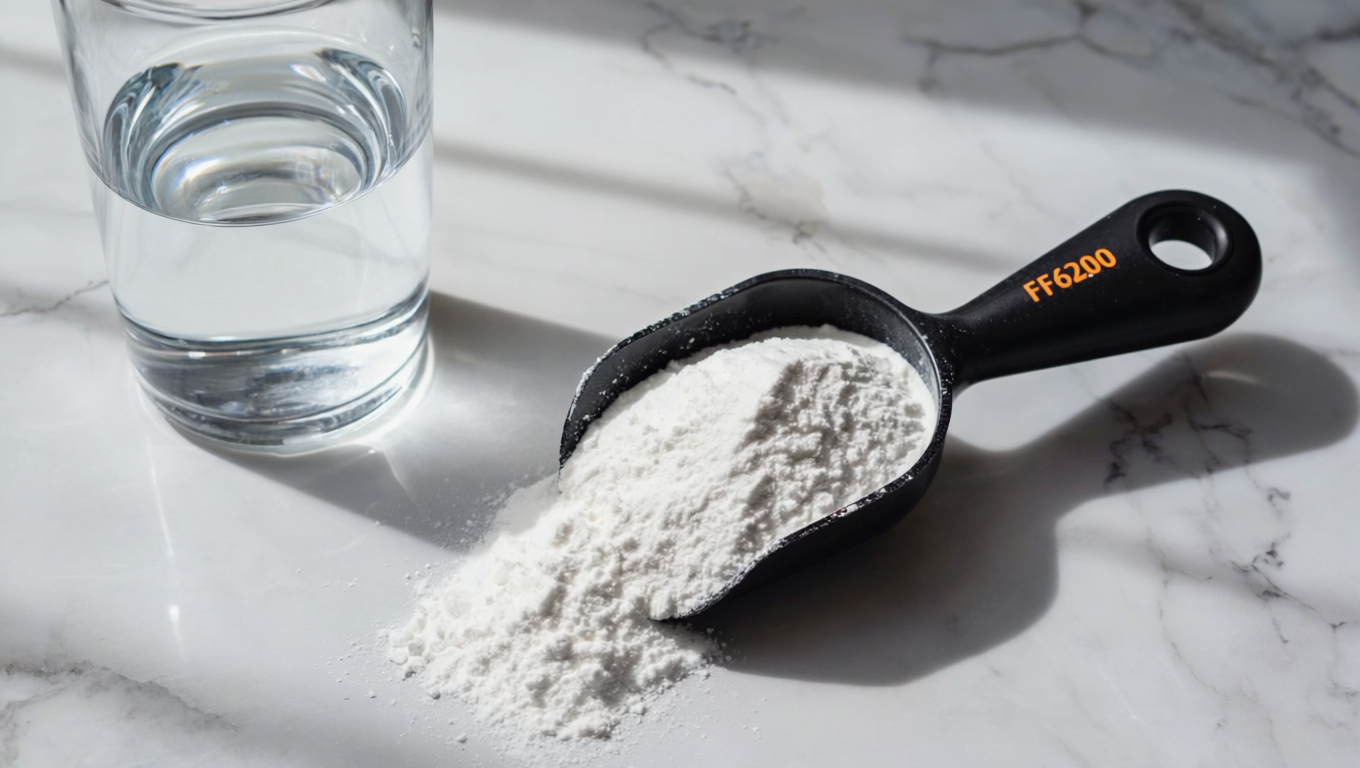
- Maintenance dose: 3-5 grams daily (approximately one teaspoon)
- Timing: Anytime works, but post-workout with carbohydrates may enhance uptake
Optimizing Results
- Combine with resistance training for maximal muscle benefits
- Ensure adequate protein intake (1.6-2.2g/kg body weight daily)
- Maintain hydration throughout supplementation
- Be patient: Full effects manifest over weeks, not days
Common Mistakes to Avoid
Even with good intentions, people often make these errors with creatine:
- Inconsistent dosing: Skipping days reduces muscle saturation
- Excessive dosing: More than 10g daily offers no additional benefits
- Poor hydration: May contribute to cramping in some individuals
- Expecting miracles: Creatine enhances training, doesn’t replace it
- Ignoring diet: Supplements complement, don’t substitute for proper nutrition
Expert Tips and Advanced Strategies
For those seeking to optimize their creatine protocol:
- Combine with beta-alanine for enhanced high-intensity endurance
- Time with carbohydrates to potentially increase muscle uptake
- Consider caffeine timing: While not detrimental, separate by 1-2 hours if concerned
- Monitor individual response: Adjust based on personal tolerance and results
- Periodize intake: Higher doses during intense training blocks if desired
Conclusion
Creatine stands as one of the most researched, effective, and safe supplements available. The persistent myths surrounding its use—from kidney damage concerns to mandatory loading phases—largely stem from misunderstandings, outdated information, or misinterpretation of scientific data.
“Creatine is the best-value supplement in sports performance. If you’re training hard, it’s almost always worth incorporating. The key is sticking to the evidence rather than the myths that persist despite overwhelming scientific consensus.” — Final Thoughts from Sports Science Community