
Supplement Stack for Beginners: Safe & Effective Protocol
Entering the world of fitness supplements can feel overwhelming. With thousands of products promising miraculous results, beginners often make costly mistakes or waste money on unnecessary formulas. This comprehensive guide provides a science-backed, safe, and effective supplement protocol specifically designed for fitness newcomers.
Why Beginners Need a Different Approach
Most supplement marketing targets experienced athletes, but beginners have unique needs. Your body is adapting to new training stimuli, and your nutritional requirements differ from seasoned lifters. A beginner’s supplement stack should focus on:
- Foundation building – Supporting basic physiological processes
- Safety first – Avoiding harsh stimulants and untested compounds
- Cost-effectiveness – Maximizing value without breaking the bank
- Simplicity – Easy-to-follow protocols that encourage consistency
“The best supplement for beginners isn’t the most expensive or exotic formula—it’s the one they’ll actually take consistently while focusing on nutrition and training fundamentals.” – Dr. Sarah Chen, Sports Nutrition Researcher
The Essential Foundation: 3 Must-Have Supplements
These three supplements form the non-negotiable foundation of any beginner’s stack. They’re backed by decades of research, have excellent safety profiles, and provide measurable benefits for those new to training.
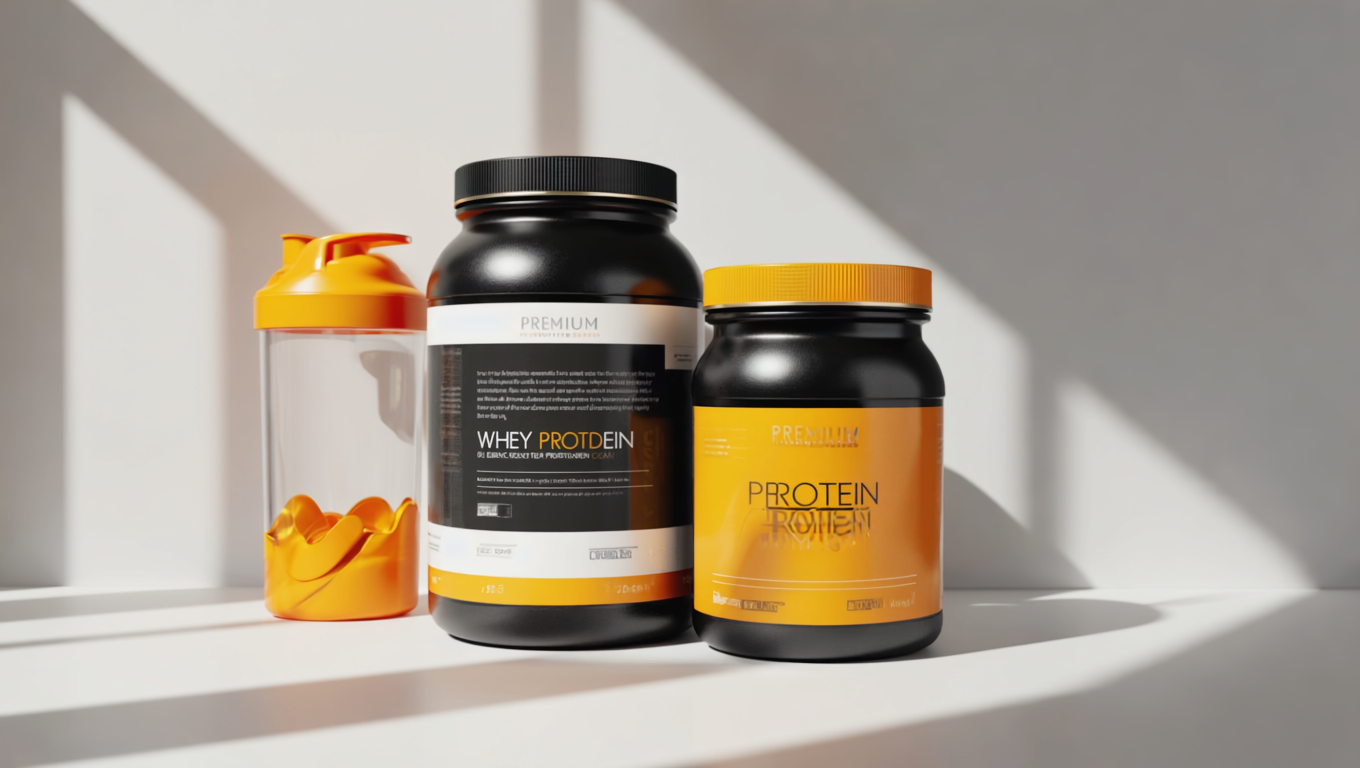
1. High-Quality Protein Powder
Protein is the building block of muscle, and most beginners struggle to consume enough through whole foods alone. A quality protein powder solves this problem efficiently.
- Type: Whey protein isolate or concentrate (dairy) or pea/rice protein blend (vegan)
- Dosage: 20-30g post-workout or between meals
- Timing: Within 30 minutes after training for optimal recovery
- What to look for: Third-party testing, minimal additives, transparent sourcing
Research consistently shows that adequate protein intake accelerates muscle growth in beginners by up to 40% compared to inadequate protein diets.
2. Creatine Monohydrate
Creatine is arguably the most researched supplement in sports nutrition, with over 1,000 studies confirming its safety and efficacy.
- Benefits for beginners: Increases strength gains by 5-15%, enhances recovery, supports cognitive function
- Dosage: 5g daily (no loading phase needed)
- Timing: Any time of day, with or without food
- Form: Micronized creatine monohydrate for better solubility
“Creatine isn’t just for bodybuilders. It’s one of the few supplements that benefits nearly everyone, from beginners to elite athletes, and even supports brain health.” – Journal of the International Society of Sports Nutrition
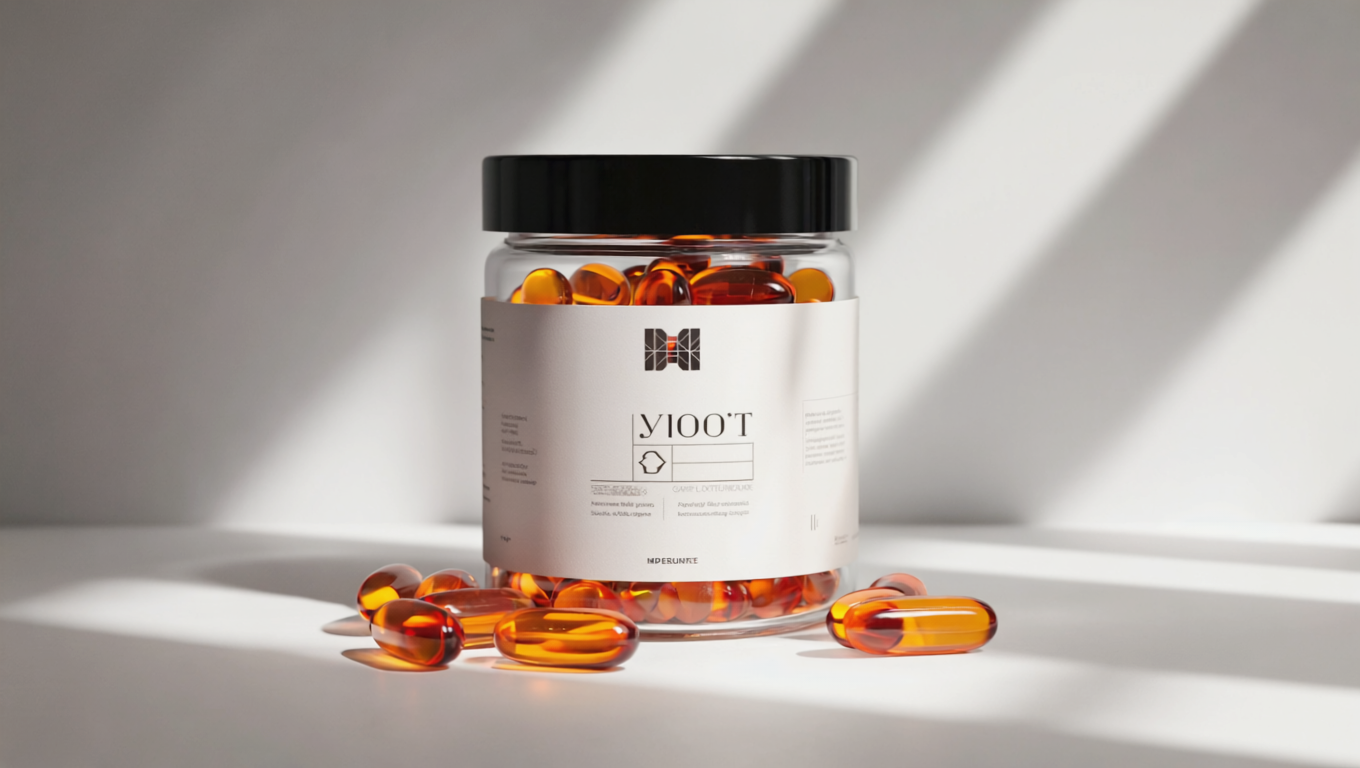
3. Omega-3 Fish Oil
Modern diets are often deficient in omega-3 fatty acids, which play crucial roles in inflammation regulation, joint health, and cognitive function—all important for training beginners.
- Benefits: Reduces exercise-induced inflammation, supports joint health, enhances recovery
- Dosage: 1-2g EPA/DHA combined daily
- Quality markers: Look for molecularly distilled, third-party tested products
- Vegetarian alternative: Algal oil supplements
The Strategic Additions: 2 Intermediate Supplements
Once you’ve established consistency with the foundation stack (typically after 2-3 months), consider adding these evidence-based supplements.
4. Vitamin D3 + K2
Vitamin D deficiency affects approximately 42% of the population and impairs muscle function, immune response, and bone health.
- Why beginners need it: Supports calcium absorption for bone strength during new training stress
- Dosage: 2,000-4,000 IU vitamin D3 with 100-200mcg K2
- Timing: With a fat-containing meal for optimal absorption
- Testing: Consider getting blood levels checked before supplementing
5. Magnesium Glycinate
Magnesium participates in over 300 enzymatic reactions, including energy production, muscle contraction, and protein synthesis.
- Benefits for trainees: Improves sleep quality, reduces muscle cramps, supports stress adaptation
- Dosage: 200-400mg elemental magnesium daily
- Form: Glycinate or citrate for better absorption and gentler digestion
- Timing: Evening dose can enhance sleep quality
What to Avoid: Common Beginner Mistakes
Many beginners waste money on unnecessary or potentially harmful supplements. Here’s what to skip in your first year of training:
- Proprietary blends – You can’t determine ingredient amounts or quality
- Extreme fat burners – Often contain unsafe stimulant combinations
- Testosterone boosters – Little evidence for effectiveness in healthy individuals
- BCAAs – Unnecessary if consuming adequate protein
- Multi-ingredient pre-workouts – Start with caffeine alone if needed
“The supplement industry thrives on confusion. Beginners should focus on the 5-6 supplements with overwhelming scientific support and ignore the marketing hype around everything else.” – Michael Roberts, Supplement Industry Analyst
Sample Beginner Protocol: 12-Week Implementation Plan
Weeks 1-4: Foundation Phase
- Morning: Omega-3 (1g) with breakfast
- Post-workout: Protein shake (25g)
- Evening: Creatine (5g) with dinner
- Focus: Establishing consistency, tracking workouts and nutrition
Weeks 5-8: Optimization Phase
- Add: Vitamin D3/K2 with morning omega-3
- Adjust: Increase protein if not seeing recovery improvements
- Monitor: Energy levels, recovery rate, strength progression
Weeks 9-12: Refinement Phase
- Add: Magnesium glycinate before bed
- Consider: Adding 100-200mg caffeine before workouts if energy is low
- Evaluate: Which supplements provide noticeable benefits
Budget-Friendly Stack Options
Supplement costs can add up quickly. Here’s how to prioritize on a limited budget:
- Tier 1 (Essential): Protein powder → Creatine → Omega-3
- Tier 2 (Important): Vitamin D3/K2 → Magnesium
- Cost-saving tips: Buy in bulk, choose unflavored versions, use subscription discounts
The total monthly cost for a complete beginner stack ranges from $40-80, significantly less than many beginners spend on ineffective proprietary formulas.
Safety Considerations and Medical Precautions
While these supplements are generally safe, certain precautions apply:
- Consult your doctor if you have kidney issues before taking creatine or high-dose protein
- Blood thinners: Omega-3 may interact with anticoagulant medications
- Pregnancy/nursing: Consult healthcare provider before any supplement use
- Quality matters: Choose brands with third-party testing (NSF, Informed Sport, USP)
Beyond Supplements: The 80/20 Rule
Remember that supplements should complement—not replace—these fundamental practices:
- Nutrition (40%): Whole foods, adequate calories, balanced macros
- Training (40%): Progressive overload, proper form, consistency
- Recovery (15%): Sleep, stress management, active recovery
- Supplements (5%): The “cherry on top” of an already solid foundation
“I’ve trained thousands of beginners over 20 years. The ones who succeed long-term focus on nutrition and training first, then add supplements strategically. The ones who fail often reverse this priority.” – James Wilson, Master Trainer
Tracking Your Progress: What to Monitor
To determine if your supplement stack is working, track these metrics:
- Strength gains: Are you adding weight/reps consistently?
- Recovery rate: How quickly do you bounce back between sessions?
- Energy levels: Consistent energy throughout the day?
- Sleep quality: Falling asleep easily, staying asleep, waking refreshed?
- Body composition: Progress photos, measurements, how clothes fit
When to Re-evaluate Your Stack
Your supplement needs will evolve as you advance. Consider reassessing every 6-12 months or when:
- You hit a prolonged plateau despite proper training/nutrition
- Your goals change (bulking vs. cutting vs. maintenance)
- New high-quality research emerges on specific supplements
- You develop new health considerations or medication needs
Final Recommendations for Beginners
Starting your fitness journey with a smart supplement approach sets you up for success. Remember these key principles:
- Start simple with the foundation stack (protein, creatine, omega-3)
- Be consistent for at least 8 weeks before evaluating effectiveness
- Prioritize quality over quantity—better to take 3 high-quality supplements than 10 questionable ones
- Listen to your body and adjust based on your individual response
- Supplements support your efforts but don’t replace hard work in the kitchen and gym
The journey of a thousand miles begins with a single step—and for fitness beginners, that step should include a sensible, evidence-based supplement protocol that enhances your efforts without complicating your life or draining your wallet.