Recovery Techniques: Foam Rolling to Cryotherapy
The Science of Recovery: From Ancient Practices to Modern Technology
In the world of fitness and athletic performance, recovery has evolved from being an afterthought to becoming a science in its own right. While athletes have always sought ways to bounce back faster from intense training, today’s recovery techniques represent a fascinating blend of ancient wisdom and cutting-edge technology. From the simple foam roller to the futuristic cryotherapy chamber, each method offers unique benefits for repairing muscle tissue, reducing inflammation, and preparing the body for future exertion.
Proper recovery isn’t just about feeling less sore—it’s about optimizing performance, preventing injury, and ensuring long-term athletic development. When we train, we create microscopic tears in muscle fibers, deplete energy stores, and accumulate metabolic waste products. Recovery is the process that repairs this damage, replenishes energy, and removes waste, ultimately making us stronger and more resilient.
“Recovery is where the magic happens. Training breaks you down; recovery builds you back stronger.”
Foam Rolling: The Foundation of Modern Recovery
What is Foam Rolling and How Does It Work?
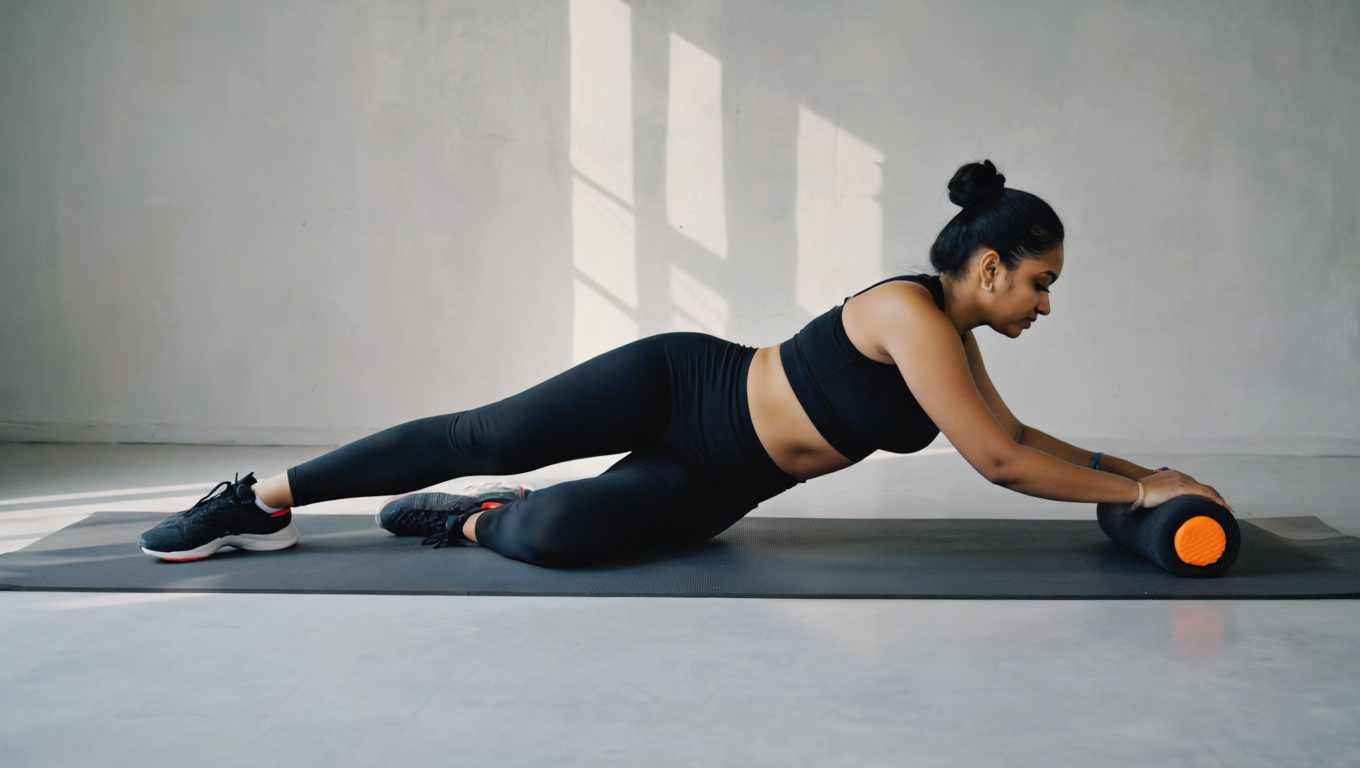
Foam rolling, also known as self-myofascial release, has become a staple in gyms and physical therapy clinics worldwide. At its core, foam rolling involves using your body weight to apply pressure to specific muscle groups using a cylindrical foam roller. This simple yet effective technique targets the fascia—the connective tissue that surrounds muscles, bones, and organs.
The primary mechanisms behind foam rolling’s effectiveness include:
- Breaking up adhesions: Chronic stress and repetitive movements can cause fascia to become stiff and develop adhesions that restrict movement
- Increasing blood flow: The pressure applied during rolling stimulates circulation to the targeted areas
- Reducing muscle tension: By applying sustained pressure, foam rolling can help release trigger points or “knots” in muscles
- Improving range of motion: Regular foam rolling can increase flexibility and joint mobility
Proper Foam Rolling Techniques
While foam rolling seems straightforward, proper technique is crucial for maximizing benefits and avoiding injury. Here are key principles to follow:
- Start gently: Begin with light pressure and gradually increase as your tolerance improves
- Move slowly: Roll at about one inch per second to allow tissues to respond
- Focus on tender spots: When you find a sensitive area, pause and maintain pressure for 30-60 seconds
- Breathe deeply: Use diaphragmatic breathing to help relax the muscles being worked
- Avoid bones and joints: Focus on muscle bellies rather than bony prominences
For optimal results, incorporate foam rolling into both your warm-up and cool-down routines. Pre-workout rolling can help prepare muscles for activity, while post-workout rolling aids in recovery by increasing blood flow to fatigued muscles.
Massage Therapy: Beyond Relaxation
The Different Types of Therapeutic Massage
While massage has been used for thousands of years for relaxation, modern sports massage represents a specialized approach to recovery. Different techniques serve different purposes in the recovery process:
- Swedish massage: Uses long strokes and kneading to promote general relaxation and circulation
- Deep tissue massage: Applies more pressure to reach deeper muscle layers and connective tissue
- Sports massage: Specifically designed for athletes, focusing on areas stressed by particular sports
- Trigger point therapy: Targets specific hyperirritable spots in muscles that refer pain to other areas
Scientific Benefits of Massage for Recovery
Research has demonstrated several physiological benefits of massage for athletic recovery:
- Reduced inflammation: Studies show massage can decrease inflammatory cytokines while increasing mitochondrial biogenesis
- Improved circulation: The mechanical pressure helps move blood and lymph through tissues
- Pain reduction: Massage can stimulate the release of endorphins and modulate pain perception
- Enhanced flexibility: Regular massage can improve range of motion and reduce muscle stiffness
“The hands of a skilled massage therapist can detect subtle imbalances long before they become injuries.”
Compression Therapy: Science Meets Technology
How Compression Garments Work
Compression therapy has gained popularity among athletes for its ability to enhance recovery through graduated pressure. Compression garments—including sleeves, socks, and full-body suits—apply the greatest pressure at the extremities, gradually decreasing toward the core. This pressure gradient serves several important functions:
- Enhanced venous return: By assisting blood flow back to the heart, compression reduces blood pooling in extremities
- Reduced muscle oscillation: During activity, compression minimizes excessive muscle movement, potentially reducing microtrauma
- Improved proprioception: The gentle pressure provides sensory feedback that may enhance body awareness
- Temperature regulation: Some compression garments help maintain optimal muscle temperature
Dynamic Compression Systems
Beyond static compression garments, dynamic compression systems like pneumatic compression boots represent the next evolution in compression therapy. These systems use inflatable chambers that sequentially compress limbs, creating a “milking” action that actively moves fluid through the lymphatic and venous systems. Research suggests dynamic compression may be particularly effective for:
- Reducing delayed onset muscle soreness (DOMS): Studies show significant reductions in soreness following intense exercise
- Improving range of motion: Faster restoration of flexibility compared to passive recovery
- Enhancing perceived recovery: Athletes report feeling more recovered when using compression systems
Heat and Cold Therapies: Temperature Modulation for Recovery
The Contrast Therapy Approach
Contrast therapy alternates between heat and cold to create a “pumping” action in blood vessels. This may help flush metabolic waste, reduce swelling, and provide pain relief. A typical protocol involves 3-5 cycles of cold (10-15°C) followed by heat (38-40°C), ending with cold.
Sauna and Heat Therapy Benefits
Regular sauna use offers benefits beyond simple relaxation. Research on Finnish sauna traditions reveals several recovery advantages:
- Increased heat shock proteins: These proteins help protect cells from stress and aid in repair
- Improved cardiovascular function: Sauna use mimics mild cardiovascular exercise
- Enhanced detoxification: Sweating helps eliminate certain toxins
- Reduced muscle tension: Heat helps relax tight muscles and connective tissue
Cryotherapy: The Cutting Edge of Cold Recovery
Whole Body Cryotherapy Explained
Whole Body Cryotherapy (WBC) represents the most extreme form of cold therapy, involving brief exposure to temperatures ranging from -110°C to -140°C (-166°F to -220°F). During a typical WBC session, individuals spend 2-3 minutes in a cryotherapy chamber wearing minimal clothing (usually shorts for men and shorts with a sports bra for women), along with protective gloves, socks, and slippers.
The physiological responses to WBC are dramatic and multifaceted:
- Vasoconstriction followed by vasodilation: The extreme cold causes immediate constriction of blood vessels, followed by a rebound dilation after exiting the chamber
- Reduced inflammation: Cold exposure decreases inflammatory markers like interleukin-6 and C-reactive protein
- Endorphin release: The stress of extreme cold triggers the release of natural pain-relieving chemicals
- Increased metabolic rate: The body works harder to maintain core temperature, potentially boosting calorie burn
Scientific Evidence and Practical Applications
Research suggests cryotherapy may reduce muscle soreness, improve recovery markers, and help manage inflammatory conditions. However, it’s not a magic bullet—benefits are most pronounced when used as part of a comprehensive recovery strategy.
“Cryotherapy isn’t about enduring misery—it’s about harnessing your body’s innate adaptive responses to extreme stimuli.”
Creating Your Personalized Recovery Protocol
Matching Recovery Methods to Training Demands
Effective recovery isn’t about using every available technique—it’s about selecting the right tools for your specific needs. Consider these guidelines when building your recovery protocol:
- High-intensity training days: Focus on inflammation management with cryotherapy, cold immersion, or compression
- Volume-focused training: Prioritize circulation enhancement with foam rolling, massage, or contrast therapy
- Skill-based sessions: Emphasize nervous system recovery with gentle movement, breathing exercises, or sauna
- Competition preparation: Use techniques that provide psychological benefits alongside physical recovery
The Recovery Hierarchy: What Matters Most
While advanced recovery technologies capture attention, the fundamentals remain most important. Consider this recovery hierarchy:
- Level 1: Nutrition and hydration – No recovery method can compensate for poor fueling
- Level 2: Sleep and rest – The majority of repair happens during quality sleep
- Level 3: Active recovery – Light movement promotes circulation without adding stress
- Level 4: Manual therapies – Foam rolling, massage, and stretching address specific issues
- Level 5: Advanced modalities – Cryotherapy, compression systems, and other technologies provide additional support
The Future of Recovery Technology
Emerging Trends and Innovations
The recovery field continues evolving with innovations like photobiomodulation (red light therapy), pulsed electromagnetic field therapy, and wearable recovery tech that monitors metrics and suggests personalized protocols.
Integrating Ancient Wisdom with Modern Science
The most exciting development is integrating ancient practices like meditation and breathwork with modern science, studying their effects on recovery markers like heart rate variability and inflammatory responses.
Conclusion: Recovery as a Competitive Advantage
From the humble foam roller to the high-tech cryotherapy chamber, recovery techniques have come a long way. What hasn’t changed is the fundamental truth that recovery isn’t passive—it’s an active process that requires intention, knowledge, and consistency.
The most effective recovery strategy is one that addresses your unique needs, fits your lifestyle, and evolves with your training. Whether you’re a professional athlete or a weekend warrior, investing in recovery pays dividends in performance, injury prevention, and long-term health.
Remember that recovery is highly individual—what works for one person may not work for another. Experiment with different techniques, listen to your body, and don’t be afraid to combine methods. The journey from foam rolling to cryotherapy represents not just a progression in technology, but an evolution in our understanding of how to help the human body heal, adapt, and thrive under stress.
“The best recovery protocol is the one you’ll actually do consistently. Start simple, be patient, and let the results guide your choices.”