
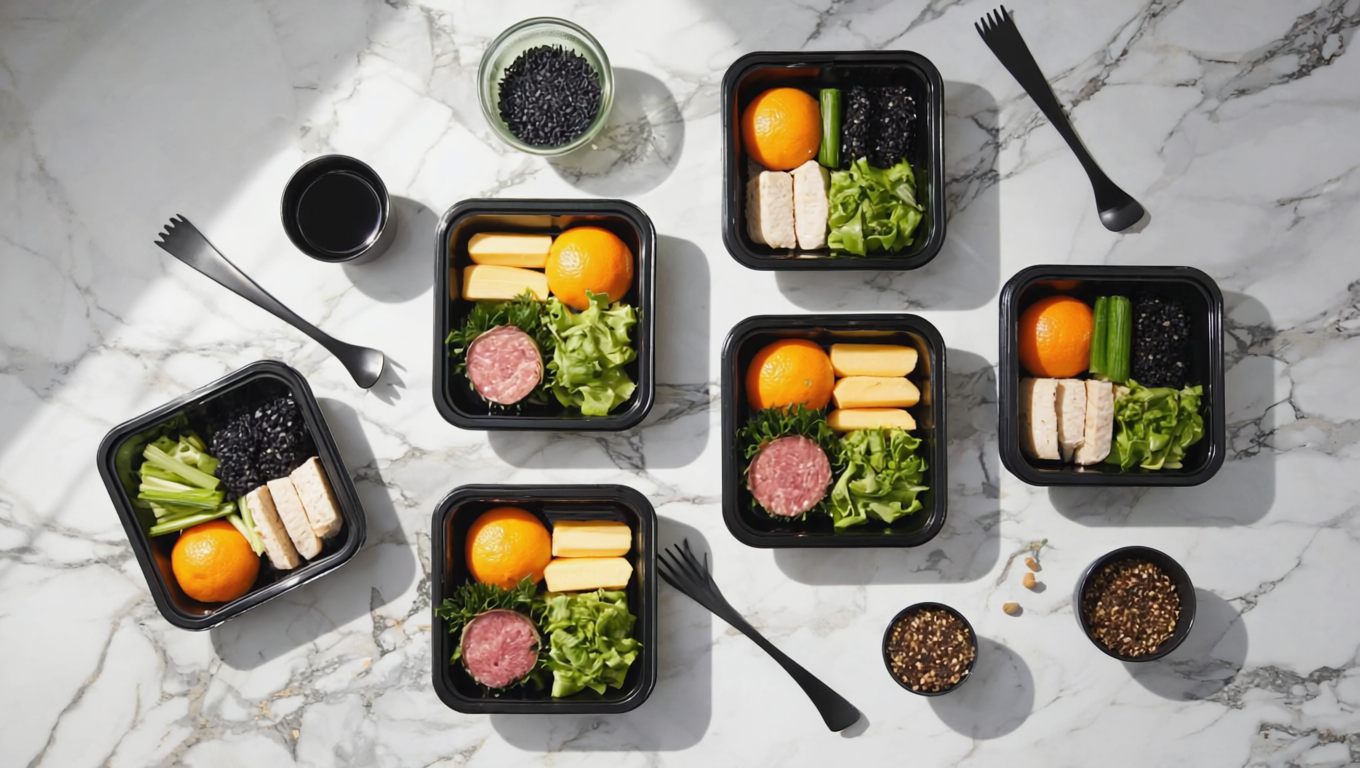
Meal Prep Guide for Weight Loss Success
In the quest for sustainable weight loss, meal preparation stands as one of the most powerful yet underutilized strategies. While countless diets promise rapid results, the simple act of planning and preparing your meals in advance consistently proves to be the difference between temporary weight loss and lasting transformation.
Why Meal Prep Works: The Science Behind the Strategy
Meal preparation supports weight loss through multiple psychological, behavioral, and physiological mechanisms:
- Reduces decision fatigue: Making fewer food decisions conserves willpower for other areas
- Controls portions automatically: Pre-portioned meals prevent overeating
- Eliminates impulsive choices: When healthy food is readily available, you’re less likely to opt for convenience foods
- Saves time and mental energy: Cooking once for multiple meals is more efficient than cooking daily
- Improves nutritional quality: Home-prepared meals typically contain more whole foods and fewer additives
- Reduces food waste: Planning purchases means buying only what you’ll use
- Supports consistent eating patterns: Regular meal timing helps regulate hunger hormones
Research supports these benefits. A 2020 study published in the International Journal of Behavioral Nutrition and Physical Activity found that meal planning was associated with greater diet variety, better adherence to nutritional guidelines, and lower likelihood of obesity.
Essential Meal Prep Equipment
Before diving into recipes and plans, ensure you have the right tools. You don’t need a professional kitchen, but these essentials will make meal prep more efficient:
- Containers: Glass or BPA-free plastic with compartments for storage
- Food Scale: For accurate portion control and tracking
- Quality Knives: 8-inch chef’s knife and paring knife for efficient chopping
- Cutting Boards: Plastic or bamboo boards for food preparation
- Sheet Pans: For batch cooking proteins and vegetables
- Slow Cooker/Instant Pot: For hands-off cooking of soups, stews, and grains
- Blender/Food Processor: For sauces, dressings, and chopping
Start with the basics and add equipment as you identify what would make your process more efficient. Many successful meal preppers work with just containers, a knife, cutting board, and baking sheets.
The Meal Prep Mindset: Overcoming Psychological Barriers
Many people struggle with meal prep not because of practical limitations, but psychological ones. Common barriers include:
- “I don’t have time”: Meal prep actually saves time overall—2-3 hours on Sunday can save 10+ hours during the week
- “I’ll get bored eating the same thing”: With proper planning, you can create variety while still prepping efficiently
- “I’m not a good cook”: Meal prep recipes are typically simple and forgiving
- “It’s too expensive”: Planning reduces food waste and impulse purchases, saving money long-term
- “I don’t know where to start”: Begin with one meal (like lunches) and expand from there
To overcome these barriers, reframe meal prep as self-care rather than a chore. Each prepared meal represents a gift to your future self—one less decision to make, one less temptation to resist, one step closer to your health goals.
Step-by-Step Meal Prep Process
Follow this systematic approach to make meal prep efficient and sustainable:
Step 1: Planning (Saturday – 30 minutes)
- Check your schedule for the coming week
- Choose recipes based on time constraints and preferences
- Create a shopping list organized by grocery store sections
- Check pantry for existing ingredients
Step 2: Shopping (Saturday or Sunday – 60 minutes)
- Shop with your list to avoid impulse buys
- Consider online grocery delivery to save time
- Buy in-season produce for better flavor and value
Step 3: Preparation (Sunday – 2-3 hours)
- Wash and chop vegetables
- Cook proteins in bulk
- Prepare grains/legumes
- Make sauces and dressings
- Portion into containers
Step 4: Storage and Reheating (Throughout the week)
- Store properly to maintain freshness
- Follow food safety guidelines
- Reheat gently to preserve texture and nutrients
Nutrition Principles for Effective Weight Loss Meal Prep
Effective meal prep for weight loss follows these evidence-based nutrition principles:
- Prioritize protein: Aim for 20-30g per meal to promote satiety and preserve muscle mass during weight loss
- Include fiber: Target 25-35g daily from vegetables, fruits, whole grains, and legumes
- Choose healthy fats: Include sources like avocado, nuts, seeds, and olive oil for satisfaction and nutrient absorption
- Control portions: Use measuring tools initially, then transition to visual cues
- Limit added sugars: Choose whole fruits over juices and sweetened products
- Stay hydrated: Include water-rich foods and prepare infused waters
- Balance meals: Each meal should contain protein, fiber, and healthy fats
Advanced Meal Prep Strategies
Once you’ve mastered basic meal prep, these advanced techniques can add variety and efficiency:
Component-Based Prepping
Instead of complete meals, prepare individual components that can be mixed and matched:
- Batch-cooked proteins (chicken, tofu, lentils)
- Pre-chopped vegetables (some raw, some roasted)
- Cooked grains (quinoa, brown rice, farro)
- Pre-made sauces and dressings
Freezer-Friendly Meals
Prepare meals that freeze well for longer-term planning:
- Soups, stews, and chilis
- Marinated proteins
- Burritos and wraps
- Muffins and breakfast items
Themed Prep Days
Assign different types of prep to different days:
- Sunday: Main cooking day
- Wednesday: Mid-week refresh (chopped veggies, hard-boiled eggs)
- Friday: Prep for weekend flexibility
Expert Take: Chef Marcus Johnson, Culinary Nutritionist and Meal Prep Coach
Troubleshooting Common Meal Prep Challenges
Even experienced meal preppers encounter challenges. Here are solutions to common issues:
Problem: Food gets soggy or loses texture
Solution: Store components separately, assemble just before eating, use moisture-absorbing liners in containers
Problem: Lack of variety leads to boredom
Solution: Use different sauces and seasonings, rotate protein sources, incorporate theme nights
Problem: Not enough time for full prep session
Solution: Break prep into smaller sessions, use time-saving appliances, prep just 2-3 days at a time
Problem: Food safety concerns
Solution: Follow proper cooling procedures, label containers with dates, refrigerate within 2 hours of cooking
Problem: Family resistance to prepped meals
Solution: Involve them in planning, include familiar favorites, allow customization options
The Financial Benefits of Meal Prep
Beyond health benefits, meal prep offers significant financial advantages:
- Reduced food waste: The average American household wastes $1,500 worth of food annually
- Lower restaurant spending: The average lunch out costs $10-15 vs. $3-5 for homemade
- Bulk purchasing savings: Buying larger quantities of staples reduces per-unit cost
- Reduced impulse purchases: Shopping with a list minimizes unnecessary buys
- Better utilization of leftovers: Intentional repurposing stretches food budget
Adapting Meal Prep for Different Lifestyles
Meal prep isn’t one-size-fits-all. Here’s how to adapt it for different situations:
- For busy professionals: Focus on grab-and-go breakfasts and lunches, use slow cooker recipes, prep during less busy times
- For families: Create “assembly line” prep stations, involve children in age-appropriate tasks, make double batches
- For students: Utilize dorm-friendly appliances, focus on shelf-stable components, partner with roommates
- For athletes: Time meals around training, prioritize post-workout nutrition, adjust portions based on activity level
- For dietary restrictions: Research substitution options, prep components separately for customization, label containers clearly
Conclusion
Meal preparation represents one of the most practical and effective strategies for sustainable weight loss. By transforming the way you approach food—from reactive to proactive, from chaotic to organized—you create an environment conducive to health rather than one that constantly challenges it.
Remember that meal prep is a skill developed through practice, not perfection. Your first attempts might be messy, time-consuming, or result in meals you don’t love. That’s normal. Each week provides an opportunity to refine your process, discover what works for your lifestyle, and move closer to making healthy eating effortless.